

Reducing food waste at home is not only good for the environment but also a smart way to save money and make the most of your groceries. Each year, millions of tons of food end up in landfills, where it contributes to harmful greenhouse gases. Fortunately, there are many practical steps you can take to cut down on food waste right in your own kitchen. This article explores easy strategies to help you waste less food, save resources, and enjoy fresher meals.
Why Reducing Food Waste Matters
Food waste has far-reaching effects beyond the kitchen. When perfectly edible food is thrown away, it means that all the water, energy, labor, and land used to produce it are wasted too. By reducing food waste at home, you lessen your environmental footprint and support a more sustainable food system. Plus, you’ll find that careful planning and storage can stretch your food budget further.
Plan Your Meals Thoughtfully
One of the most effective ways to reduce food waste is through meal planning. Taking a little time each week to plan your meals can help you buy only what you need.
– Make a shopping list: Before heading to the store, review your meal plan and pantry. Write down exactly what you need.
– Shop with purpose: Stick to your list and avoid impulse buys that may end up forgotten or unused.
– Buy smaller quantities: If you’re unsure about how much to buy, choose smaller packages or buy loose produce by weight.
Practice Smart Food Storage
Proper storage can extend the life of your food and keep it fresher longer.
– Know your fridge zones: Store fruits and vegetables in the crisper drawers, keeping some separate as some fruits produce ethylene gas which can spoil others.
– Use airtight containers: Protect leftovers and opened packages in sealed containers to prevent spoilage.
– Freeze surplus: Many foods freeze well, including bread, cooked rice, and meats. Label and date your frozen items for easy use later.
– Store herbs properly: Keep fresh herbs fresh longer by treating them like flowers—trim stems and place in a jar with water, cover loosely with a plastic bag in the fridge.
Use Leftovers Creatively
Leftovers don’t have to be boring or wasted. Instead, use them as building blocks for new meals.
– Reinvent meals: Turn leftover roast vegetables into soups or salads.
– Batch cook: Prepare larger meals and divide into portions to enjoy throughout the week.
– Freeze extras: Soups, stews, and casseroles freeze well and make quick meals on busy days.
Keep an Eye on Expiration Dates
Understanding food labels can help you avoid tossing food prematurely.
– “Best by” vs. “Use by”: “Best by” dates refer to peak quality, not safety. Food can often be consumed after this date if stored properly.
– Smell and taste test: If food looks, smells, and tastes fine, it’s often still good to eat.
– Organize your pantry: Place older items at the front so you use them before newer purchases.
Compost Food Scraps
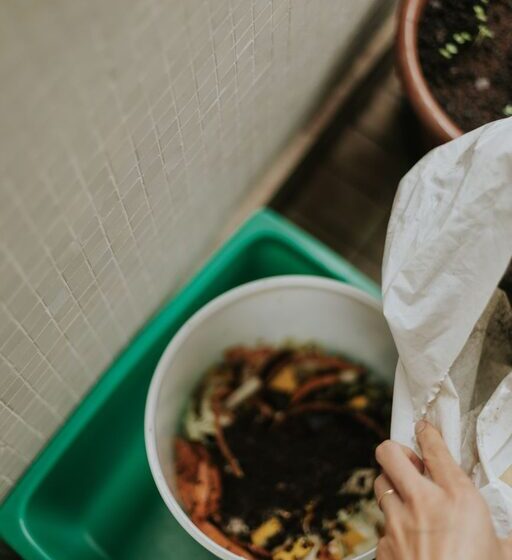
If you do end up with unavoidable food scraps, composting is a great way to return nutrients to the soil.
– Start a compost bin: Collect fruit and vegetable peels, coffee grounds, eggshells, and other compostable waste.
– Use kitchen compost containers: Keep a small container in your kitchen for scraps to make composting easy and reduce smells.
– Avoid composting meat and dairy: These can attract pests and should be discarded or handled differently.
Support Food Sharing and Donation
If you have more food than you can consume, consider sharing or donating it.
– Share with neighbors: Swap excess produce or meals with friends or neighbors.
– Donate to food banks: Many local organizations accept unopened, non-perishable food to help those in need.
– Use apps: Some communities have apps to connect people for food sharing.
Educate Your Household
Encouraging everyone in your home to be mindful about food waste is key to making a lasting difference.
– Involve family: Teach kids about portion sizes and the impact of wasting food.
– Create awareness: Share tips and involve everyone when planning meals and shopping.
– Make it fun: Turn leftover meals into a cooking challenge or family event.
Final Thoughts
Reducing food waste at home is achievable with a few simple habits and a bit of planning. From mindful shopping and smart storage to creative use of leftovers and composting, every small action adds up. By taking these steps, you’ll not only save money but also contribute to a healthier planet, one meal at a time. Start today and enjoy the benefits of a waste-free kitchen!