
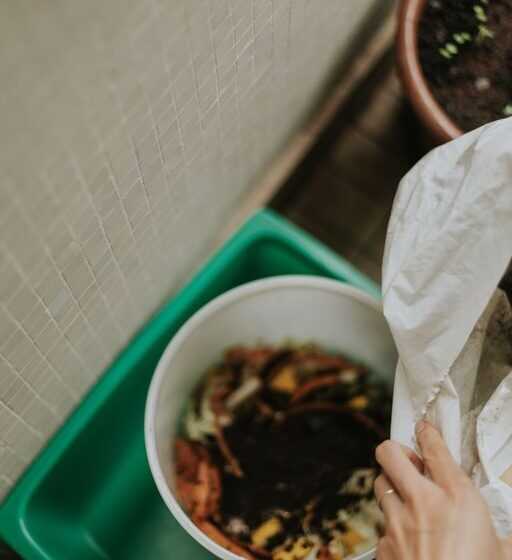

Reducing food waste at home is a practical way to save money, conserve resources, and protect the environment. Every year, millions of tons of food are discarded, much of it still edible. By making small changes in how we shop, store, and use food, we can all contribute to lowering this waste. Here are some helpful tips and strategies for reducing food waste in your household.
Understand Why Food Waste Happens
Before jumping into solutions, it’s important to recognize common reasons for food waste at home:
– Overbuying groceries that spoil before use
– Misunderstanding expiration dates
– Cooking or serving too much food
– Improper storage leading to spoilage
– Throwing away leftovers instead of repurposing
Awareness of these factors is the first step toward improvement.
Smart Grocery Shopping
Plan Your Meals
Creating a meal plan for the week helps you buy only what you need. List meals and snacks ahead of time, then shop with a focused list.
Shop with a List
Impulse purchases often lead to food waste. Stick to your grocery list and avoid buying items you already have or don’t need.
Buy Smaller Quantities
If you live alone or in a small household, buy produce and perishables in smaller portions to avoid spoilage.
Choose Ugly Produce
Many fruits and vegetables are discarded simply because of their appearance. Buying “imperfect” produce helps reduce waste and often costs less.
Proper Food Storage
Understand Storage Requirements
Different foods require different storage conditions. For example, potatoes keep best in a cool, dark place, while berries should be refrigerated.
Use Airtight Containers
Keeping leftovers and opened packages in airtight containers helps maintain freshness and prevents spoilage.
First In, First Out (FIFO)
When organizing your fridge and pantry, place newly bought items behind older ones so you use older food first, reducing the risk of expiration.
Use Leftovers Creatively
Repurpose Meals
Transform leftovers into new dishes, such as turning roasted vegetables into soups or using stale bread for croutons.
Portion Control
Serve smaller portions to minimize uneaten food on plates, but allow for seconds if needed.
Freeze Surplus Food
Many cooked meals and fresh ingredients freeze well, extending their usability beyond the original shelf life.
Manage Expiration Dates Wisely
Know the Difference
“Best before” dates indicate quality, not safety, while “use by” dates relate to safety. Understanding this helps reduce unnecessary discarding.
Regularly Check Your Pantry
Monitor items nearing expiration and prioritize using them in upcoming meals.
Compost Food Scraps
Not all food waste can be avoided, but composting is an eco-friendly way to handle scraps like vegetable peels, coffee grounds, and eggshells.
– Set up a compost bin in your kitchen or garden
– Avoid composting meat or dairy, which attract pests
– Use compost in your garden to enrich soil
Educate Your Household
Make food waste reduction a shared goal among family members. Encourage everyone to:
– Take only what they can eat
– Store food properly
– Communicate about leftovers and meal planning
Additional Tips
– Keep a running inventory of your fridge and pantry to avoid buying duplicates
– Use apps designed to track food expiration and suggest recipes
– Buy frozen fruits and vegetables if fresh produce often spoils before use
—
Reducing food waste at home doesn’t require drastic changes—small, consistent habits make a big difference over time. By shopping thoughtfully, storing food properly, and creatively using leftovers, you can save money and contribute to a healthier planet. Start with one or two tips today and build from there!